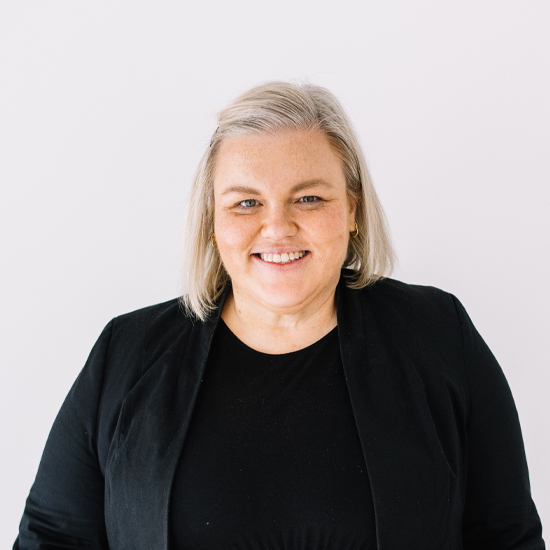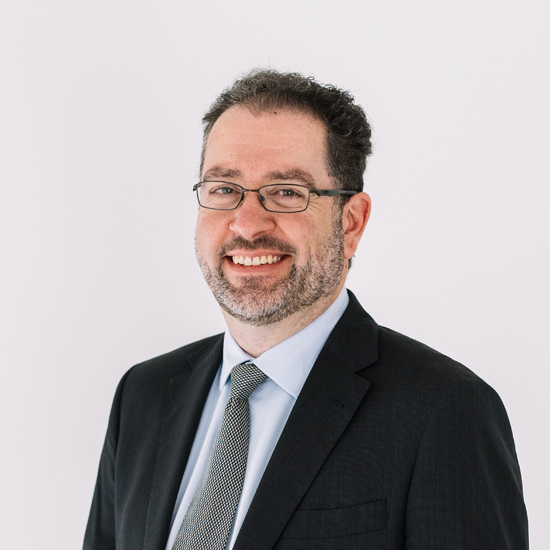

Our Nationally Accredited Mediator (NMAS), Rose Laffan and David Collins, a qualified mediation specialist, are experienced in working with your clients to identify the common ground and mutual desire to resolve disputes to avoid Court or end litigation. They speak your language and respect your relationship with your client. Rose Laffan is also an accredited Family Dispute Resolution Practitioner (FDRP) and understands that navigating a separation or divorce is stressful - emotionally and financially.
How we can help
We help you resolve disputes efficiently and prepare you to get the most from the process:
- Nationally Accredited Mediator with proven experience in complex matters.
- Focus on financial and practical outcomes to maximise settlement chances.
- Prompt and professional assistance, engaging with you and your client in a manner that respects your relationship with your client.
- As an FDRP, Rose Laffan can issue Section 60I Certificates in Family Law matters.
Why choose Mullane Lindsay as your mediator
We know Court can be the most challenging environment for clients to settle emotionally charged disputes. As practising lawyers, as well as qualified mediators, we consider the legislation impacting the issues in dispute while focusing on the practical outcomes and ways in which your clients can resolve their dispute without engaging in protracted and costly litigation. We are experts in what it takes to maximise settlement chances, draft enforceable Heads of Agreement and Consent Orders while we have everyone in the room.