
A Will is the document that governs how your assets are distributed after you die, and a carefully drafted one can protect the people you care about and reduce the risk of a dispute. In NSW, Wills are governed by the Succession Act 2006, and a Will must meet specific signing and witnessing requirements to be valid. We prepare Wills, powers of attorney, enduring guardianship appointments and testamentary trusts from our offices in Newcastle, for clients across NSW.
How we help
We prepare the documents that make up a sound plan, in plain language:
- A valid Will that says who receives your assets and who administers your estate.
- An enduring power of attorney for your financial and legal affairs if you lose capacity.
- An enduring guardianship appointment for health and lifestyle decisions.
- A testamentary trust, where there is a reason to protect or manage how a beneficiary receives an inheritance.
- Reviews and updates after a major life change.
Why families choose Mullane Lindsay
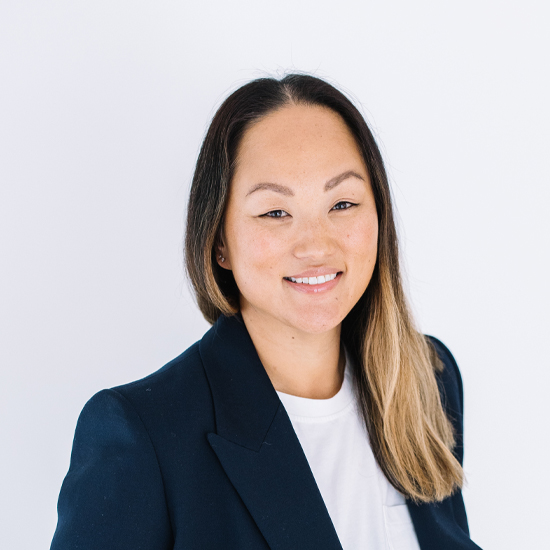
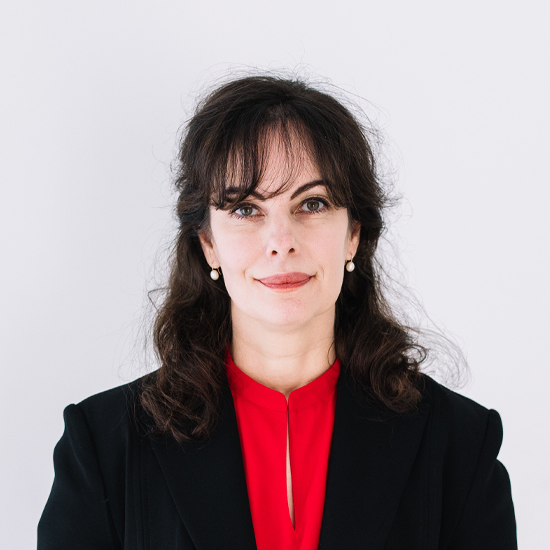
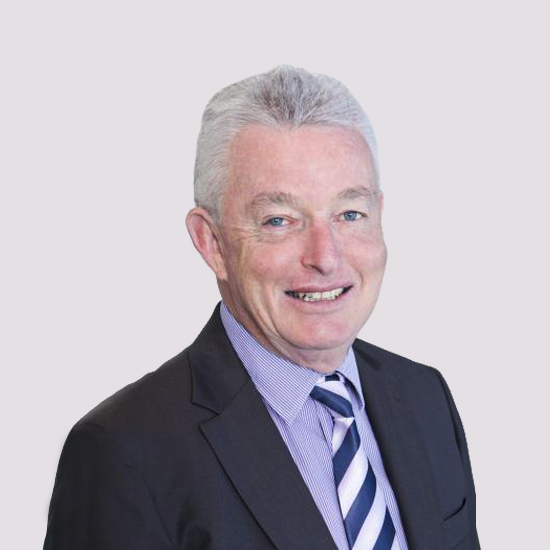
Our Wills and estates work is led by Cavelle Lindsay, with an experienced team including Lesley McDonnell, a Law Society of NSW accredited specialist in Wills and estates. Since 1976, we take the time to understand your circumstances and prepare documents that are clear, valid and right for you.
What makes a Will valid in NSW?
A Will must generally be in writing, signed by you, and witnessed by two independent adults who sign in your presence, and you must have capacity and not be unduly influenced. A beneficiary, or a beneficiary’s spouse, should not be a witness. Small errors in signing or witnessing can invalidate a Will, which is why a professionally prepared Will is worth the cost.
Should you consider a testamentary trust?
A testamentary trust is a trust created within your Will that takes effect on your death, holding and managing assets for beneficiaries rather than distributing them directly. It can offer asset protection, tax advantages for minor beneficiaries, and control over how and when assets pass. It is worth considering if you have a blended family, young children, a beneficiary with special needs, or significant assets.