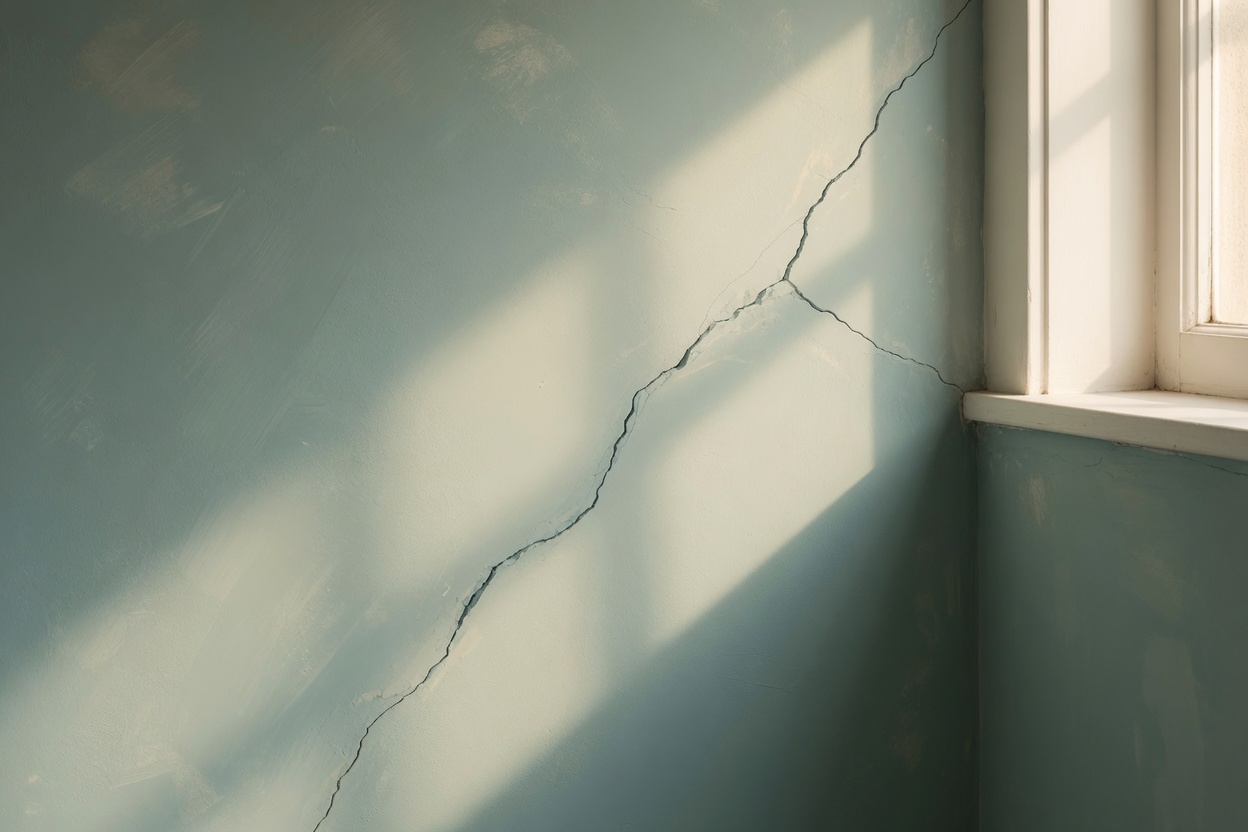


Most of us understand that once a judgement in a Court case is entered, it is final (except for any appeal rights). One minor exception, commonly known as the ‘slip rule’, is where an obvious error was made in a judgement or order. In the case of such an error, it can be corrected under the slip rule without the necessity for an appeal.
Slip rule applications are relatively rare. Even rarer was the situation that arose in 2016 when the Court was asked to make a slip rule correction to a judgement affecting a person who had become bankrupt. Under the Bankruptcy Act when a person becomes bankrupt, a creditor cannot “take any fresh step” in Court proceedings, except by leave. The issue the Supreme Court had to determine, was whether making a correction under the slip rule amounted to a “fresh step”. If so, the correction was not possible except by leave of the Federal Court (as opposed to the Supreme Court, where the proceedings had been instituted).
There was no authority directly on point, so the judge had to reason from first principles as to what was permitted. Ultimately, the judge reasoned that while, in some situations, taking steps after judgement had been entered might constitute “fresh steps”; in this instance what was proposed was a reduction of the amount of the judgement that had been entered and the judge did not think that constituted a fresh step. As a matter of pragmatism, the Court also noted it was unlikely anyone would challenge a reduction of the judgement, as opposed to an increase.
The judge’s logic appears to have been vindicated as the decision was given in November 2016 and, so far as we are aware, there has been no challenge to it: Amazon Pest Control Pty Ltd (No. 2)[2016] NSWSC 1590.
![Unicomb v Blais [2024] NSWSC 903 - Harman Undertaking](https://mullane.hyperstage.com.au/wp-content/uploads/2026/07/post-2891.jpg)